
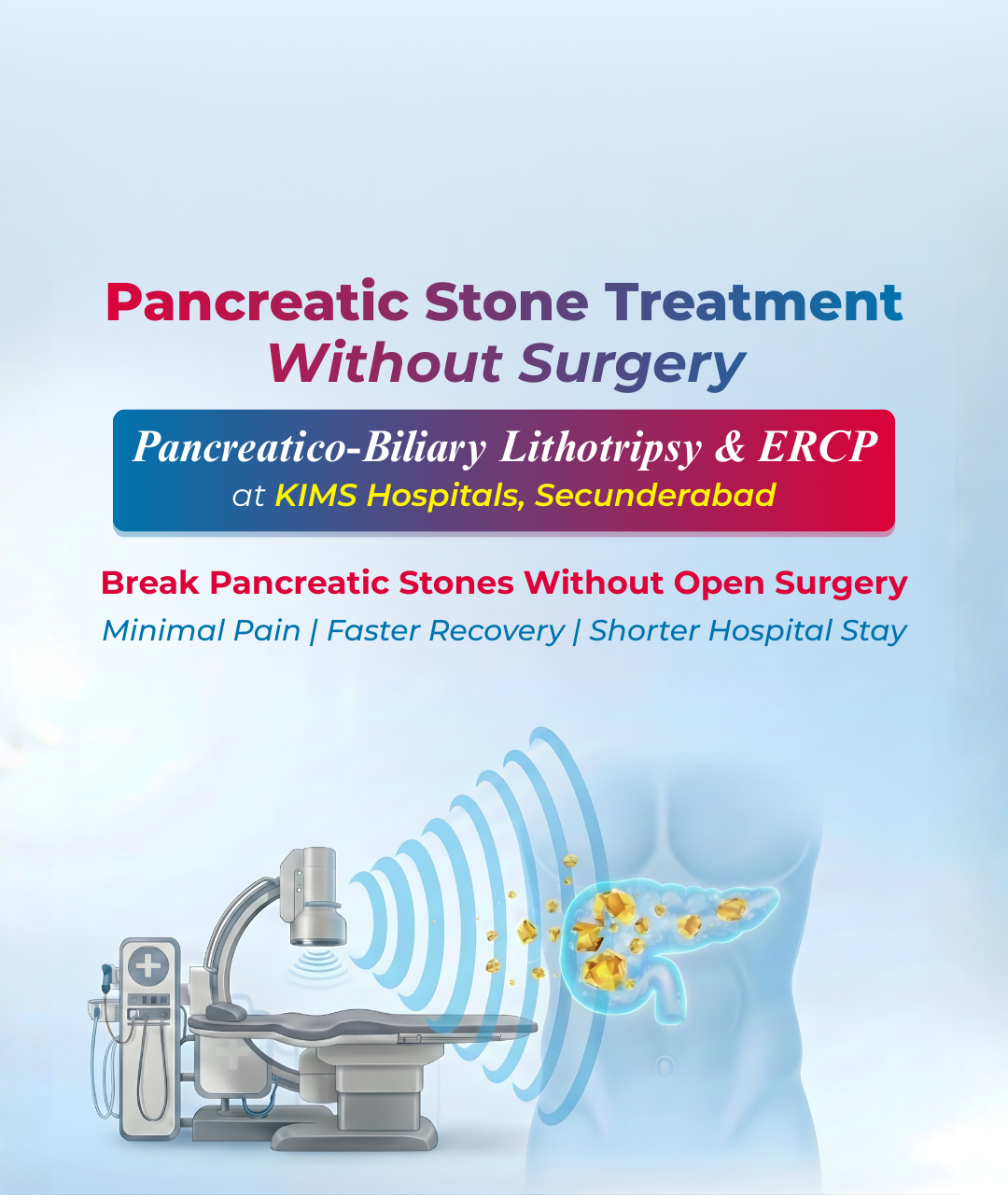
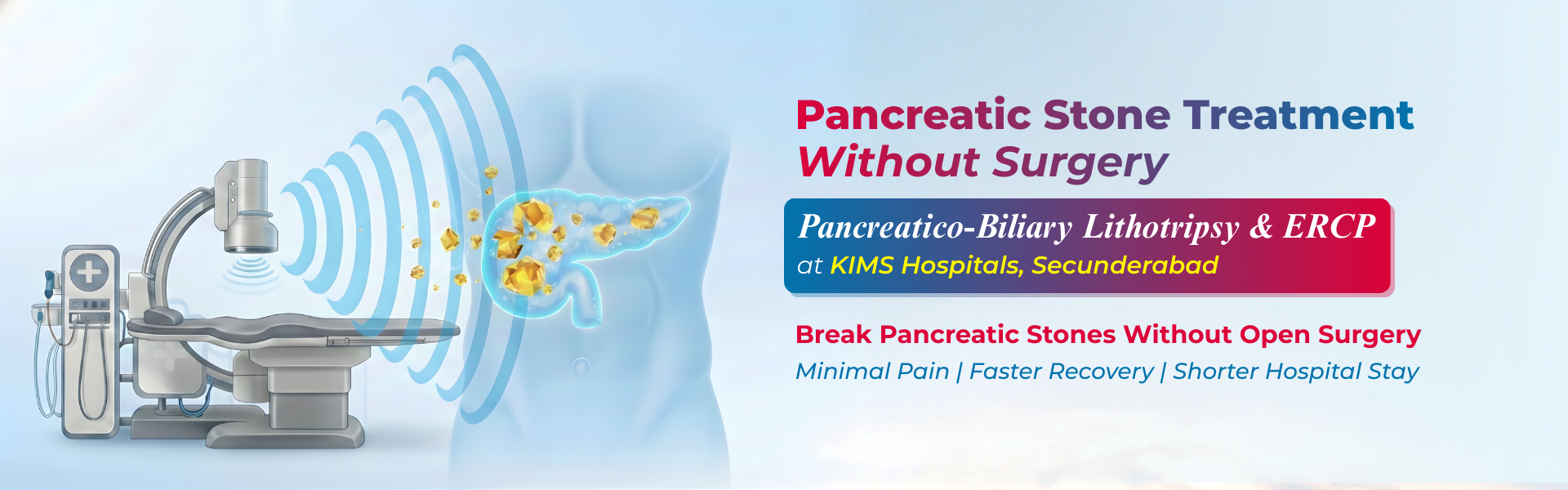
Get Relief From Pancreatic Stone Pain
If you or your loved one is struggling with chronic pancreatic stone pain , don’t delay treatment.
Living With Pancreatic Stone Pain Can Be Exhausting

What Are Pancreatic Stones?
Pancreatic stones are hard calcium deposits that form inside the pancreatic duct. They commonly occur in people with chronic pancreatitis and can partially or completely block the flow of digestive enzymes.
Why Do They Cause Pain?
When pancreatic stones block the duct:
- Pressure builds up inside the pancreas
- The pancreas becomes inflamed
How Do They Affect Digestion?
- Poor digestion of food
- Bloating and indigestion
- Weight loss and nutrient deficiency
Why Pancreatic Stones Should Not Be Ignored
• Persistent or worsening pain
• Progressive pancreatic damage
• Higher risk of complications and surgery
Early treatment helps relieve pain, improve digestion, and protect pancreatic function.
When pancreatic stones block the duct and cause pain, the goal of treatment is to remove the obstruction without damaging the pancreas
Pancreatico-Biliary Lithotripsy is a proven non-surgical treatment that achieves this safely and effectively
Pancreatico-Biliary Lithotripsy is an advanced, non-invasive treatment used to break pancreatic stones without open surgery. The procedure uses focused shock waves to fragment stones into smaller pieces, allowing them to pass naturally or be removed endoscopically.
It is widely recommended for patients with symptomatic pancreatic duct stones, especially those who wish to avoid surgery and long recovery times.
How It Works
High-energy shock waves are precisely targeted at the pancreatic stones
Stones are broken into smaller fragments
Fragments pass through the duct or are cleared during endoscopy
Duct pressure reduces, leading to pain relief and improved digestion
The procedure is performed under expert supervision using advanced imaging for accuracy and safety
ESWL vs Surgical Treatment for Pancreatic Stones
ESWL (Non-Surgical) Recommended Initial | Surgical Treatment Complex Cases |
|---|---|
Non-invasive procedure | Invasive surgical procedure |
No major cuts or scars | Requires surgical incisions |
Lower complication risk | Higher surgical risk |
Shorter hospital stay | Longer hospitalization |
Faster recovery | Extended recovery time |
Preserves pancreatic tissue | Higher risk of pancreatic damage |
Meet Our Pancreatic Stone Specialist
Dr. Sreekanth Appasani
Dr. Sreekanth Appasani is a highly experienced Gastroenterologist and Advanced Endoscopist at KIMS–KIMS Advanced Gastroenterology (KAGE). He specializes in the diagnosis and treatment of pancreatic disorders, including complex pancreatic duct stones.
With extensive expertise in non-surgical pancreatic stone management, Dr. Appasani is skilled in performing ESWL and advanced endoscopic procedures, offering patients effective alternatives to open surgery whenever possible.
Clinical Expertise & Experience
- Specialist in pancreatic and biliary disorders
- Extensive experience in managing chronic pancreatitis and pancreatic stones
- Expertise in ESWL and therapeutic endoscopy
- Focus on minimally invasive, patient-centric treatment approaches
- Part of a multidisciplinary advanced gastroenterology team

KIMS KAGE
Advanced Gastroenterology TeamWhy Choose KIMS Secunderabad for Advanced Gastro & HPB Care?
KIMS is one of South India’s leading tertiary care hospitals with a dedicated Pancreatology & HPB (Hepato-Pancreato-Biliary) team.
What Sets Us Apart
20+ years of Gastro & HPB care excellence
Dedicated Chronic Pancreatitis & Pancreatic Stone Clinic
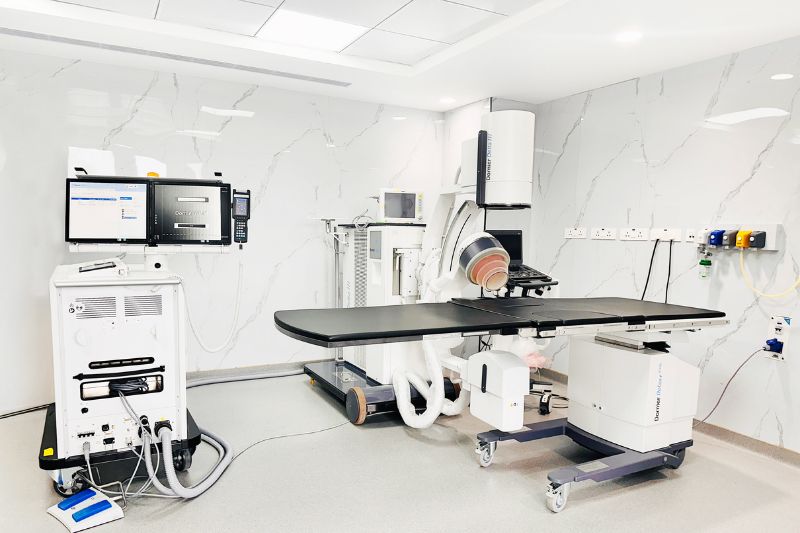
Advanced ESWL facility for pancreatic stones
State-of-the-art ERCP & EUS suites
Multidisciplinary care (Gastroenterologists, HPB surgeons, Radiologists)
NABH-accredited hospital infrastructure
Patients travel to us from Hyderabad, Telangana, Andhra Pradesh, Maharashtra, and Karnataka for specialised pancreatic care.
Get Relief From Pancreatic Stone Pain
If you or your loved one is struggling with chronic pancreatic stone pain , don’t delay treatment.
Common Questions Patients Ask
Most patients experience mild discomfort. Sedation is provided if needed.
Usually 45–90 minutes, depending on stone size and hardness.
No. Lithotripsy is typically a day-care procedure.
It relieves duct blockage and pain. Ongoing disease management may still be required.
Minor discomfort or bruising may occur. Serious complications are rare when performed by experienced specialists.