
Specialized Urological Care
Enlarged Prostate (BPH) Treatment in Secunderabad — From Tablets to Incision-Free TULSA-PRO
At a glance
Condition
BPH — Benign Prostatic Hyperplasia (Enlarged Prostate)
What it is
Non-cancerous enlargement of the prostate gland — extremely common in men over 50. Does NOT cause or increase the risk of prostate cancer.
Specialist at KIMS
Urologist — KIMS Prostate Centre, Secunderabad
Most common approach
Medication first. Surgery only if medication fails or symptoms are severe.
★ SOUTH INDIA EXCLUSIVE
TULSA-PRO — MRI-guided incision-free prostate treatment. No surgery. No radiation. Available ONLY at KIMS in South India.
Surgical options at KIMS
HoLEP (Holmium/Thulium laser, no incision) · TURP (endoscopic resection) · Robotic-assisted prostatectomy for large glands
Hospital stay
HoLEP / TURP: 1–2 nights · TULSA-PRO: Same day or 1 night
Insurance
All major private insurance accepted
Appointments
040 - 44885000 · assistance@kimshospitals.com
What is BPH? Understanding your prostate
The prostate is a walnut-sized gland that sits directly below the bladder and surrounds the urethra — the tube through which urine passes from the bladder out of the body. Its main function is to produce fluid that forms part of semen. After the age of 40, the prostate gland almost universally begins to grow. In most men, this growth is slow and causes no problems for decades. In others — roughly one in four men over 50 — the enlargement is significant enough to squeeze the urethra and restrict urine flow, causing the symptoms collectively known as LUTS (Lower Urinary Tract Symptoms).
BPH is a benign (non-cancerous) condition. The enlargement itself is not dangerous, but the downstream consequences of inadequately treated BPH can be: chronic urinary retention, repeated urinary tract infections, bladder stones, bladder damage from long-term incomplete emptying, and — in some severe cases — kidney damage from back-pressure. This is why symptoms that seem merely inconvenient deserve proper medical evaluation rather than silent acceptance.
Symptoms of BPH — recognising when the prostate is affecting your life
BPH symptoms fall into two categories: obstructive (caused by the physical restriction of urine flow) and irritative (caused by the bladder's response to the obstruction). Most men experience both.
Obstructive Symptoms
Weak or slow urine stream — having to push or strain to urinate
Hesitancy — difficulty starting urination, with a long wait before flow begins
Intermittent flow — the stream starts and stops
Dribbling at the end — urine continues to drip after you finish
Feeling of incomplete emptying — the bladder never feels fully empty
Urinary retention — complete inability to urinate (Medical Emergency)
Irritative Symptoms
Nocturia — waking 2, 3, or more times per night to urinate
Frequency — needing to urinate more often than usual during the day
Urgency — a sudden, strong urge to urinate that is difficult to delay
Urgency incontinence — not always reaching the bathroom in time
EMERGENCY ALERT:
If you have a complete inability to urinate (acute urinary retention), pain in the lower abdomen, or blood in your urine for the first time — go to KIMS Emergency immediately or call 040 - 44885000.
Note: BPH does NOT cause erectile dysfunction directly. However, some medications can affect libido. Advanced treatments like TULSA-PRO and HoLEP at KIMS are associated with significantly better preservation of sexual function than conventional surgery.
The IPSS score — measuring how much BPH affects you
The International Prostate Symptom Score (IPSS) is a validated seven-question questionnaire used to measure the severity of BPH symptoms and guide treatment decisions. At KIMS, every BPH patient completes the IPSS at their first consultation — and at follow-up visits — so we can objectively track whether treatment is working.
| IPSS Score | Severity / Typical approach at KIMS |
|---|---|
| 0 – 7 (Mild) | Mild symptoms — Active surveillance · Lifestyle changes · Fluid timing advice · Annual review |
| 8 – 19 (Moderate) | Moderate symptoms — Medication (alpha-blockers or 5-ARIs or combination) · Regular review · Consider surgery if no improvement in 6 months |
| 20 – 35 (Severe) | Severe symptoms — Medication and early surgical planning · TULSA-PRO assessment · HoLEP or TURP for appropriate candidates |
| Any score with complications | Retention · Recurrent infections · Bladder stones · Kidney damage — Surgical or interventional treatment. Do not delay. |
How BPH is diagnosed at KIMS Secunderabad
Diagnosis of BPH at KIMS begins with the IPSS questionnaire, a full medical history, and a physical examination including a digital rectal examination (DRE) — a brief examination in which the doctor gently feels the prostate through the rectum to assess its size and texture. This takes less than a minute and causes only mild discomfort. It is an essential part of the assessment and should not be avoided.
Additional tests we perform:
Uroflowmetry
You urinate into a flow-meter that measures the speed and volume of your urine stream. A peak flow below 15 ml/second strongly suggests significant obstruction.
Post-void residual ultrasound
A quick, painless ultrasound scan immediately after urination to measure how much urine remains in the bladder. More than 100ml consistently suggests inadequate emptying.
PSA blood test
Prostate Specific Antigen is elevated in BPH, but also in prostate cancer. A raised PSA does not diagnose cancer — it triggers further investigation.
Renal function blood tests
Creatinine and eGFR — to check whether BPH has caused kidney back-pressure damage.
Urine culture
To check for urinary tract infection (a common complication of incomplete bladder emptying).
TRUS (Transrectal Ultrasound)
Measures prostate volume precisely, which guides the choice between medical and surgical treatment and the specific surgical technique.
BPH treatment options at KIMS — from medication to TULSA-PRO
Most men with BPH do not need surgery. Treatment is staged — starting with the least invasive approach and escalating only if needed. At KIMS, the full treatment spectrum is available within one department, so the recommendation is always genuinely matched to the individual patient rather than limited by what the hospital can offer.
Stage 1 — Lifestyle and watchful waiting (mild symptoms, IPSS 0–7)
For men with mild symptoms that are not significantly affecting quality of life, the first step is not medication — it is lifestyle changes. These include: timing fluid intake (reducing evening fluids to reduce nocturia), avoiding caffeine and alcohol (both irritate the bladder), practising double voiding (urinating, waiting a moment, then urinating again to empty the bladder more completely), and bladder training exercises. At KIMS, a specialist nurse or physiotherapist guides patients through these techniques before medications are considered.
Stage 2 — Medications (moderate symptoms, IPSS 8–19)
Two main classes of medication treat BPH: Alpha-blockers (tamsulosin, alfuzosin, silodosin): These relax the smooth muscle in the prostate and bladder neck, immediately improving urine flow in most patients within 1 to 2 weeks. They do not shrink the prostate — they relax it. Side effects include dizziness and, in a minority of men, retrograde ejaculation. 5-Alpha Reductase Inhibitors — 5-ARIs (finasteride, dutasteride): These block the hormone driving prostate growth. Over 6 to 12 months, they reduce prostate size by 20 to 30%. They are most effective for larger prostates and reduce the long-term risk of urinary retention. For men with moderate-to-severe symptoms, combination therapy is more effective than either drug alone. PDE5 inhibitors (tadalafil) are also effective for BPH and simultaneously treat erectile dysfunction.
Stage 3 — TULSA-PRO ★ South India's First and Only Centre
TULSA-PRO is KIMS's most significant capability for prostate treatment. No other centre in South India offers TULSA-PRO. TULSA-PRO (Transurethral Ultrasound Ablation) is an incision-free, radiation-free treatment that takes place entirely inside an MRI scanner. A slim device is passed through the urethra — no cut is made anywhere on the body. The device delivers precisely controlled ultrasound energy to the prostate tissue, destroying the cells obstructing urine flow. The entire procedure is guided in real time by MRI imaging, allowing the surgeon to actively protect the surrounding nerves, sphincter, and rectum. What TULSA-PRO means for BPH patients: • No incision, no open wound • No radiation — uses focused ultrasound energy • Real-time MRI guidance for extreme precision • Active protection of the sphincter and nerves to preserve urinary and sexual function • Most patients return home the same day or the following morning
Stage 4 — HoLEP (Holmium Laser Enucleation of the Prostate)
HoLEP is the gold-standard surgical treatment for BPH — achieving results equivalent to open prostatectomy without any surgical incision. A thin telescope is passed through the urethra, and a Holmium laser is used to enucleate (shell out) the entire obstructing prostate lobes. Key Specifics: • Best for: BPH of any prostate size, especially large (>80cc) glands. • Incision: None — entirely through the urethra. • Hospital stay: 1–2 nights. • Catheter: Removed 24 to 48 hours after surgery. • Blood thinners: HoLEP can often be performed in patients who cannot stop blood thinners. • Durability: Very high — low rate of requiring repeat surgery compared to TURP.
Stage 5 — TURP (Transurethral Resection of the Prostate)
TURP remains an effective and widely performed surgical treatment for BPH, particularly for medium-sized prostates (30–80 grams). A resectoscope is passed through the urethra and sections of the prostate are electrically resected (cut and removed) to widen the urinary channel. TURP at KIMS uses bipolar energy rather than monopolar — significantly reducing the risk of TURP syndrome (dilutional hyponatraemia) and enabling safer use in patients with cardiac conditions. Hospital stay is typically 1 to 2 nights.
BPH treatment comparison — which option is right for you?
Choosing the right treatment depends on your symptoms, prostate size, and lifestyle goals. This comparison highlights the key differences between medication and the advanced surgical options available at KIMS.
| Factor | Medication | TULSA-PRO ★ | HoLEP | TURP |
|---|---|---|---|---|
| Incision | None | None | None | None |
| Anaesthesia | None | Sedation/light | Spinal/general | Spinal/general |
| S. India Availability | Everywhere | KIMS ONLY | Most centres | All centres |
| Hospital stay | Outpatient | Same day / 1 night | 1–2 nights | 1–2 nights |
| Durability | Ongoing — dose daily | Long lasting | Very high — low recurrence | Moderate — 10–15 years |
| Prostate size | Any | Any (MRI-assessed) | Any size | Best 30–80g |
| Blood thinners? | Yes | Yes | Usually safe | Stop required |
| Tissue for biopsy? | No | No | Yes — sent to lab | Yes — sent to lab |
| Effect on ejaculation | Some drugs: yes | Minimal | Retrograde (common) | Retrograde (common) |
| Return to work | Immediate | 2–5 days | 3–5 days | 3–5 days |
TULSA-PRO represents a major shift in BPH care, allowing for effective tissue ablation without the recovery time or side-effect profile of traditional surgery. However, for extremely large prostates or where tissue analysis is critical, HoLEP remains the clinical gold standard. Your KIMS urologist will help you decide.
Why choose KIMS Secunderabad for BPH treatment?
KIMS is a center of excellence for urological care, offering exclusive technologies and a patient-first approach to managing enlarged prostate symptoms.
South India's first and only TULSA-PRO centre
For men who want effective BPH treatment without surgery, radiation, or the side effects of conventional procedures — TULSA-PRO is available exclusively at KIMS in the region. No other hospital in South India offers this incision-free capability.
Complete treatment spectrum under one roof
From first-line medications and lifestyle counselling to TULSA-PRO, HoLEP, TURP, and robotic prostatectomy for the largest glands — KIMS covers every option. Our recommendations are based on what is genuinely best for you, not on limited hospital offerings.
Holmium AND Thulium laser capability
KIMS operates both Holmium and Thulium (ThuLEP) laser systems. This allows our surgeons to choose the most appropriate energy source for each patient's specific anatomy and health status, ensuring excellent results even for patients on blood thinners.
Sexual function: an honest conversation
While many BPH procedures cause retrograde ejaculation, TULSA-PRO has a significantly lower rate of change due to its precision and active nerve protection. Our urologists prioritize open, honest discussions about preserving your quality of life.
NABH Accredited & Quality Certified
Every BPH procedure at KIMS follows standardised, audited protocols to ensure the highest safety levels. As an NABH-accredited facility, we maintain global benchmarks in urological surgical outcomes and patient care.
Financial access (Aarogyasri & EHS empanelled)
We believe advanced urological care should be accessible. KIMS is empanelled with Aarogyasri (PMJAY) and EHS, allowing eligible patients to access our full range of BPH treatments at subsidised or covered costs.
Book a Prostate Consultation at KIMS
What to expect — recovery after BPH treatment
Recovery times vary by procedure, but most patients return to normal activities within a few weeks. KIMS provides structured post-operative support for every patient.
After TULSA-PRO
Most patients return home the same day or the morning after. You will have a urinary catheter for 3 to 7 days. Most men notice meaningful flow improvement within 4 to 8 weeks as prostate volume reduces. Desk work can typically resume within 2 to 5 days.
After HoLEP
Typically requires 1 to 2 nights in hospital. The catheter is removed before discharge. Temporary urgency is common for 4 to 8 weeks as the bladder adjusts. Most men see dramatic reduction in nocturia within 6 weeks. Physical work or heavy lifting should be avoided for 2 to 3 weeks.
After TURP
Recovery involves a 1 to 2-night stay with a catheter for 24 to 48 hours. Most men notice better flow within days of catheter removal. Strenuous activity and heavy lifting should be avoided for 4 weeks. Sexual intercourse may typically resume after 4 to 6 weeks.
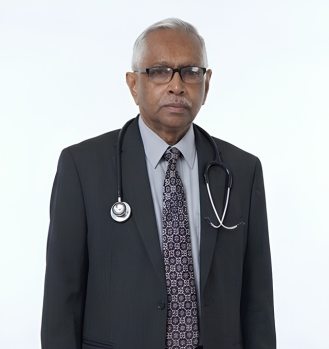
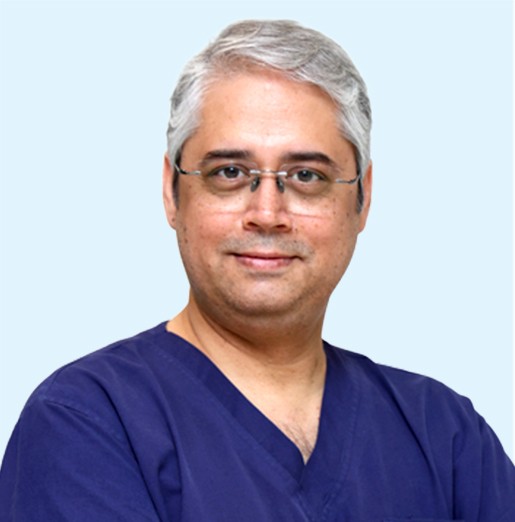
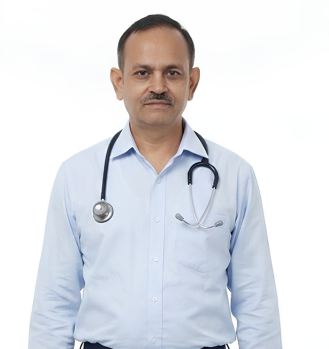
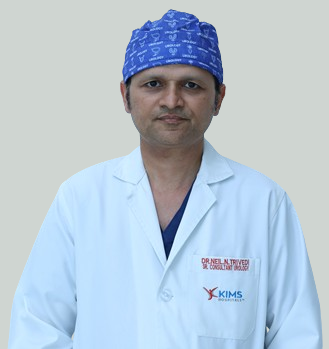
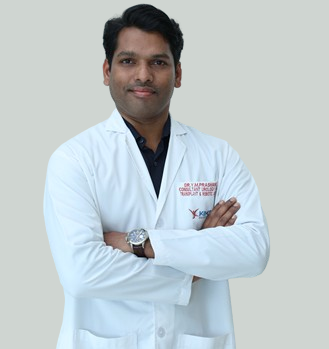
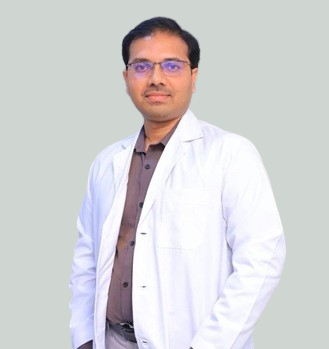
Our prostate specialists at KIMS Secunderabad
Our urology team offers South India's most advanced BPH treatment portfolio, including exclusive access to TULSA-PRO and high-volume HoLEP surgery.


Frequently Asked Questions
No — and this is the most important thing to understand about BPH. Benign Prostatic Hyperplasia is a non-cancerous enlargement of the prostate gland. The word 'benign' means it is not cancer. BPH does not cause prostate cancer, and having BPH does not increase your risk of developing prostate cancer. Both conditions can cause a raised PSA blood test — which is why a raised PSA requires careful investigation and interpretation, not an immediate assumption of cancer. At KIMS Secunderabad, every patient with BPH who has a significantly raised PSA is assessed to rule out prostate cancer before treatment is planned.
Yes — at KIMS Secunderabad, in more ways than at any other hospital in South India. Medications (alpha-blockers and 5-alpha reductase inhibitors) control BPH effectively in most men. For those who want a one-time treatment without conventional surgery or radiation, KIMS now offers TULSA-PRO — MRI-guided ultrasound ablation that treats the prostate through the natural urinary passage with no incision, no radiation, and active protection of surrounding nerves. KIMS is South India's first and only TULSA-PRO centre. No other hospital in the region offers this option.
HoLEP (Holmium Laser Enucleation of the Prostate) uses a Holmium laser to shell out the entire obstructing prostate lobes through the urethra — no incision is needed. Compared to TURP, HoLEP has lower blood loss, can be used safely in patients on blood thinners, is suitable for prostates of any size (including very large glands where TURP is technically difficult), has a lower long-term risk of requiring repeat surgery, and provides tissue for histological analysis. Most guidelines now recommend HoLEP over TURP for men with large prostates, and it is available at KIMS Secunderabad. TURP remains a highly effective option for medium-sized prostates.
Retrograde ejaculation — semen entering the bladder during orgasm rather than exiting the penis — is very common after both HoLEP and TURP (affecting the majority of patients). It is not painful, does not affect the sensation of orgasm, but does affect fertility. It is not the same as erectile dysfunction. TULSA-PRO, available exclusively at KIMS in South India, has a significantly lower rate of ejaculatory change because MRI guidance allows precise targeting with active nerve protection. Your KIMS urologist will discuss all implications honestly before any decision is made.
Waking once at night to urinate (nocturia) is normal for most men over 50, particularly if fluid intake is high in the evening. Waking two or more times consistently — especially if it is disrupting sleep or affecting daytime function — is abnormal and suggests BPH or another urological condition requiring investigation. At KIMS, nocturia is assessed as part of the IPSS questionnaire at the first consultation. It is one of the symptoms that responds most reliably to BPH treatment — with most men reporting a dramatic reduction in night-time wakening after HoLEP, TURP, or TULSA-PRO.
Prostate size alone does not determine the need for surgery — symptoms and their impact on your quality of life matter more. Some men with very large prostates (>100 grams) have mild symptoms and prefer medical management. Others with moderately enlarged glands (40–60 grams) have severe, quality-of-life-impacting symptoms that justify surgery. However, prostate size does guide which surgical technique is best: HoLEP can treat prostates of any size effectively, TURP is best suited to 30–80 gram glands, and TULSA-PRO is assessed individually by MRI at KIMS.
KIMS Secunderabad is the only hospital in South India offering TULSA-PRO — MRI-guided, incision-free prostate treatment for BPH and prostate cancer with no surgery, no radiation, and active nerve preservation. For men who want effective BPH treatment without conventional surgery, KIMS is the only centre in the region. For those who prefer surgery, KIMS offers HoLEP (with Holmium and Thulium laser), bipolar TURP, and robotic-assisted prostatectomy for very large glands — the complete surgical spectrum. KIMS is NABH accredited and empanelled under Aarogyasri, CGHS, and EHS.