
ESWL (Shock Wave Lithotripsy) at KIMS Secunderabad — Non-Invasive Kidney Stone Removal Without a Single Incision
At a glance — ESWL at KIMS
- Full name: Extracorporeal Shock Wave Lithotripsy — ESWL
- What it does: Uses precisely targeted shock waves generated outside the body to fragment kidney stones into sand-sized particles that the patient then passes naturally in the urine — without any incision, needle, or scope entering the body
- Best suited for: Single stones 5mm to 15mm in the renal pelvis, upper calyx, or proximal ureter — in kidneys with no downstream obstruction
- Not suitable for: Stones above 2cm · Lower pole stones (poor passage rate) · Cystine stones (shock-wave resistant) · Hard calcium oxalate monohydrate stones · Pregnancy · Active urinary infection · Uncorrected bleeding disorders · Aortic or renal artery aneurysm · Pacemaker or implanted cardiac device · Morbid obesity (body habitus preventing stone targeting)
- Stone-free rate: 70–85% for well-selected cases at 3 months · Stone size, location, composition, and patient anatomy all affect outcomes
- Sessions needed: Most patients require 1 to 2 sessions. Up to 3 sessions in some cases. Each session is typically 2 to 4 weeks apart.
- Anaesthesia: No general anaesthesia required — IV sedation and analgesia only. The patient is conscious but comfortable.
- Hospital stay: Day care — patients are discharged 1 to 2 hours after the procedure
- Recovery: Return to desk work: next day · Strenuous activity: 48–72 hours · Driving: same day (if accompanied) or next day
- What to expect after: Pink or blood-tinged urine for 24–48 hours (normal — from stone passage). Mild loin discomfort or cramping as fragments pass. Drink 2–3 litres of water daily to flush fragments. Pass urine through a filter/strainer to collect fragments for composition analysis.
- When to call KIMS urgently: Fever above 38°C (may indicate infected fragments — urgent) · Severe unrelenting pain · No urine output for 6+ hours · Visible large clots in urine
- Complementary procedures at KIMS: RIRS (laser ureteroscopy) — for stones 5–20mm accessible via ureter · Mini-PCNL — for stones above 20mm, lower pole, or ESWL-resistant. KIMS offers all three modalities.
- Appointments: 040-4488-5000 · assistance@kimshospitals.com
Non-invasive kidney stone removal — what ESWL is
If you have been told you have a kidney stone and you want to explore whether it can be removed without surgery — without a scope, without an incision, and without general anaesthesia — ESWL (Extracorporeal Shock Wave Lithotripsy) may be the answer. It is the only kidney stone treatment that works entirely from outside the body. No instrument enters the urinary system. The shock waves pass through your skin and body tissues, reach the stone, and break it apart into fragments small enough to pass naturally in the urine over the following days to weeks.
KIMS Secunderabad is South India's pioneer kidney stone surgery centre — the first hospital to establish PCNL (percutaneous nephrolithotomy) as a standard treatment in India, and the centre that now operates the full spectrum of stone removal technology: ESWL for suitable non-invasive cases, RIRS (retrograde intrarenal surgery with Holmium and Thulium Fibre Laser) for stones up to 20mm, and Mini-PCNL for complex, large-volume, or access-challenging stones. For patients with a stone in the right size range and the right anatomical position, ESWL offers complete stone clearance with a morning appointment and an afternoon discharge.
Book a stone assessment at KIMS — 040-4488-5000. The KIMS urology team will review your CT or ultrasound, determine whether ESWL is the best option for your specific stone, and explain every alternative if it is not.
How ESWL works — the shock wave mechanism
Shock waves are high-energy acoustic pressure pulses — essentially precisely focused sound energy. In ESWL, these shock waves are generated by an electrohydraulic, electromagnetic, or piezoelectric source within the machine, focused by a reflector into a precise focal point, and aimed at the kidney stone using fluoroscopic (X-ray) or ultrasound guidance. The shock wave passes harmlessly through soft tissue — because tissue is largely water and water transmits acoustic energy without significant damage — but when it strikes the crystalline structure of a kidney stone, it creates intense compressive and tensile stresses that fracture the stone from within.
The fragmentation process occurs over multiple shock wave pulses — typically 1,500 to 3,000 pulses delivered at a controlled rate during a single session. Each pulse contributes to progressive fracturing of the stone. By the end of the session, what was a solid 10mm stone has been converted into multiple smaller fragments, ideally below 3mm — small enough to pass through the ureter and urethra with the urine flow over the following days to weeks. The patient feels the shock waves as a mild tapping sensation — controlled with IV sedation and analgesia to ensure comfort throughout.
Targeting — fluoroscopy and ultrasound guidance
Accurate targeting is critical. The shock wave focal point must be centred precisely on the stone for each pulse — a stone that shifts position between pulses receives fewer effective energy deliveries and fragments less completely. At KIMS, stone targeting uses real-time fluoroscopic (X-ray) guidance — the stone is visualised directly on the fluoroscopy monitor and repositioned within the focal zone throughout the session. For radiolucent stones (uric acid stones — not visible on plain X-ray), real-time ultrasound guidance is used instead, as these stones are visible on ultrasound despite being invisible to fluoroscopy.
Which kidney stones are suitable for ESWL?
Not every kidney stone is suitable for ESWL — and choosing the wrong treatment for a specific stone wastes time, exposes the patient to repeated sessions, and may ultimately require the surgical procedure that could have been chosen first. The KIMS urology team reviews the CT scan, stone size, stone location, stone density (measured in Hounsfield Units on CT), and patient anatomy before recommending ESWL. The key selection criteria:
| Factor | ESWL-Suitable vs Not |
|---|---|
| Stone size | 5mm to 15mm — optimal. Below 5mm: likely to pass spontaneously without intervention. 15mm to 20mm: ESWL possible but stone-free rates fall; RIRS often preferred. Above 20mm: Mini-PCNL is the appropriate choice. |
| Stone location | Renal pelvis — best outcomes. Upper and mid calyx — good. Lower pole calyx — poor passage rates even after fragmentation (fragments collect in the dependent lower pole and do not pass easily). Proximal ureter — suitable. Mid and distal ureter — RIRS preferred. |
| Stone density (HU on CT) | Below 1,000 Hounsfield Units — responds well to shock waves. Above 1,000 HU (very hard calcium oxalate monohydrate stones) — shock-wave resistant; poor response. Stone density is the single most predictive factor for ESWL success. |
| Stone composition | Uric acid — very soft, excellent ESWL candidate. Calcium oxalate dihydrate (whewellite) — moderate response. Calcium oxalate monohydrate — hard, poor response. Struvite (infection stone) — moderate. Cystine — highly resistant to shock waves; ESWL not recommended. |
| Skin-to-stone distance (SSD) | Below 10cm from skin to stone — good targeting. Above 10cm (in obese patients) — shock wave energy disperses before reaching the stone; outcomes significantly worse. |
| Downstream anatomy | No ureteric obstruction below the stone — fragments must be able to pass. A narrowing or stricture below the stone means fragments will impact and obstruct; correct the obstruction first. |
| Kidney anatomy | Horseshoe kidney, malrotated kidney, or other anatomical anomaly — ESWL can be performed but requires specific positioning and experience; RIRS may be more reliable. |
Stone-free rate is not the same as treatment success. A stone-free rate of 75% at 3 months means 25% of patients require a second intervention — either a repeat ESWL session or a switch to RIRS or Mini-PCNL. At KIMS, the urology team reviews imaging at 4 to 6 weeks after each ESWL session to assess fragment passage and decide whether re-treatment is appropriate or whether switching to an endoscopic technique will achieve better and faster clearance.
The ESWL procedure at KIMS — what to expect
| Stage | What happens |
|---|---|
| Preparation (1–2 days before) | Urine culture — active infection must be treated and cleared before ESWL. Active UTI increases the risk of post-ESWL sepsis from bacterially seeded fragments. Blood test: full count, clotting screen. Stop aspirin and NSAIDs 5 days before. Stop warfarin 3–5 days before (as directed by your nephrologist/cardiologist). Fasting from midnight if IV sedation is planned. |
| On arrival (30–45 minutes before) | IV cannula inserted. Pre-medication: IV morphine or pethidine + IV ondansetron (anti-nausea) + buscopan (reduces ureteric spasm). Positioning on the ESWL table — lying supine. The treatment couch moves to bring the kidney into the focal zone of the machine. |
| Targeting (5–10 minutes) | Fluoroscopic imaging confirms stone position. The C-arm is angled to locate the stone. The machine focal point is positioned to centre the stone within the focal zone. For radiolucent stones (uric acid), ultrasound probe locates the stone. |
| Treatment (30–60 minutes) | Shock waves delivered at a rate of 60 to 120 per minute — starting at low energy and gradually increasing to the therapeutic level (allowing renal accommodation and reducing tissue trauma). Total pulses: 1,500 to 3,000 per session. The patient feels mild tapping or pressure at the flank. Sedation is adjusted throughout to maintain comfort. |
| Immediate recovery (60–90 minutes) | Blood pressure, heart rate, and oxygen saturation monitored. Oral fluids given. Patient encouraged to pass urine — haematuria (pink-tinged urine) is normal. Discharged home once vitals are stable and oral analgesia controls any discomfort. |
| At home — first 24–48 hours | Drink 2–3 litres of water daily to flush fragments. Pass urine through a fine strainer or gauze to collect fragments for stone composition analysis at KIMS. Mild loin cramping is normal and managed with diclofenac or paracetamol. No strenuous exercise. Return to desk work the following day for most patients. |
| Follow-up imaging (4–6 weeks post-procedure) | X-ray KUB or CT KUB — assesses fragment passage and residual stone burden. If significant residual stone remains, repeat ESWL or conversion to RIRS or Mini-PCNL is discussed at the follow-up consultation. |
ESWL vs RIRS vs Mini-PCNL — choosing the right procedure
KIMS is one of the few centres in Hyderabad that genuinely offers all three stone removal modalities at full clinical standard — and can therefore make a recommendation based entirely on what is best for the patient's specific stone, rather than what equipment is available. The comparison below guides the conversation:
| Feature | ESWL | RIRS (Laser Ureteroscopy) | Mini-PCNL |
|---|---|---|---|
| Incision | None | None (through urethra) | 3-5mm skin puncture |
| Anaesthesia | IV sedation only (no GA) | General or spinal | General or spinal |
| Hospital stay | Day care, 1-2 hours post-procedure | Day care or 1 night | 1-2 nights |
| Optimal stone size | 5-15mm | 5-20mm | Any size including staghorn |
| Stone-free rate (1 session) | 70-85% for well-selected stones | 90-95% for accessible stones | 90-97% for suitable anatomy |
| Lower pole stones | Poor — fragments collect and do not pass | Good — laser dusting clears lower pole | Excellent — direct access |
| Cystine or hard stones | Not suitable — shock-wave resistant | Laser fragments any composition | Laser fragments any composition |
| Risk of steinstrasse | Yes — specific ESWL complication | Not applicable | Not applicable |
| Repeated sessions | Possibly — 1 to 3 sessions | Rarely — single session | Single session in virtually all cases |
| Best for | Suitable 5-15mm accessible stones, non-invasive preference | 5-20mm, ureteric, failed ESWL, hard stones | Above 20mm, staghorn, lower pole, failed ESWL or RIRS |
If your CT shows a 10mm stone in the renal pelvis with a density below 900 Hounsfield Units and no downstream obstruction — ESWL is a reasonable first choice, with RIRS as a backup if one or two sessions do not achieve clearance. If your CT shows a 12mm lower pole stone, an 18mm stone, or any cystine stone — the KIMS team will recommend RIRS or Mini-PCNL directly, because ESWL is unlikely to achieve satisfactory clearance and will delay definitive treatment.
Complications of ESWL — and how KIMS manages them
Haematuria (blood in the urine). Visible haematuria for 24 to 48 hours after ESWL is normal and expected — the shock waves produce microscopic renal parenchymal trauma and the stone fragments scrape the mucosal lining as they pass. It resolves spontaneously. Vigorous oral hydration (2 to 3 litres daily) helps flush the bleeding. Haematuria that persists beyond 5 to 7 days or is associated with large clots should be reviewed at KIMS.
Renal colic during fragment passage. As stone fragments migrate down the ureter, they may temporarily obstruct urinary flow — producing the characteristic colicky loin-to-groin pain of ureteric colic. This is expected and manageable with oral NSAIDs (diclofenac 75mg) or an antispasmodic. Most patients experience mild to moderate cramping over 2 to 4 weeks as fragments pass. Alpha-blockers (tamsulosin 0.4mg) are sometimes prescribed after ESWL to relax the ureteric smooth muscle and facilitate fragment passage.
Steinstrasse — the most serious ESWL-specific complication. Steinstrasse (German for 'stone street') is the accumulation of multiple stone fragments in the ureter following ESWL — creating a column of fragments that obstructs the ureter and causes hydronephrosis. It occurs in approximately 2 to 4% of ESWL cases, more commonly when the pre-treatment stone is large (above 15mm). Steinstrasse presents with severe loin pain and a rising creatinine — diagnosed on KUB X-ray or CT. Management at KIMS: JJ stent insertion (to bypass the obstruction and allow the kidney to drain while the fragments pass spontaneously) or ureteroscopy (RIRS) to laser-fragment the impacted column under direct vision.
Infection and sepsis — the most urgent complication. The shock waves disrupt stone crystals and may release bacteria that were colonising the stone matrix into the bloodstream. Fever above 38°C in the 24 to 48 hours following ESWL is a warning sign of post-ESWL sepsis — requiring immediate assessment and broad-spectrum IV antibiotics. All patients should have a urine culture performed and any infection treated before ESWL. Patients presenting to KIMS Emergency with fever after ESWL are assessed urgently and admitted for IV antibiotics if indicated.
Subcapsular haematoma — rare. Bleeding around the kidney (subcapsular or perinephric haematoma) occurs in approximately 0.5 to 1% of ESWL cases. Risk is increased with shock-wave resistant stones requiring maximum energy delivery, aspirin or NSAID use (which is why these are stopped 5 days before), and hypertension. Small haematomas are managed conservatively with bed rest and observation. Large or expanding haematomas are managed by the KIMS urology and interventional radiology team.
When to call KIMS Emergency:
Call KIMS Emergency on 040-4488-5000 immediately if you experience fever above 38°C, rigors (shivering attacks), severe unrelenting pain that does not respond to oral analgesia, or absent urine output for more than 6 hours — within 2 weeks of an ESWL procedure. These are the warning signs of steinstrasse or post-ESWL sepsis, both of which require urgent treatment.
When ESWL cannot be performed — absolute contraindications
| Contraindication | Why ESWL is not safe |
|---|---|
| Pregnancy | Shock waves may harm the developing foetus — ESWL is absolutely contraindicated throughout pregnancy. Stone management in pregnancy is with JJ stenting or ureteroscopy under careful specialist guidance. |
| Uncorrected bleeding disorder or anticoagulation | Shock waves cause renal microtrauma and subcapsular bleeding — in a patient on warfarin or with coagulopathy, this can cause life-threatening haematoma. Anticoagulants must be stopped with cardiology/haematology guidance before ESWL. |
| Pacemaker or implanted cardiac device | The electromagnetic fields and shock wave energy can interfere with pacemaker function. A cardiac device does not absolutely preclude ESWL but requires specific precautions — shielding, pacemaker reprogramming, and cardiologist approval. Discussed case-by-case. |
| Active urinary tract infection | Shock waves release bacteria colonising the stone into the bloodstream — in a patient with active UTI, this causes systemic sepsis. Urine culture must be sterile before ESWL. |
| Aortic or renal artery aneurysm | The shock wave focal zone cannot be safely positioned adjacent to an arterial aneurysm — the mechanical energy risks aneurysm rupture. |
| Ureteric obstruction distal to the stone | If there is a narrowing, stricture, or anatomical obstruction below the stone, fragments cannot pass after ESWL and will obstruct the ureter. The obstruction must be corrected before ESWL — or RIRS should be selected as the primary treatment. |
| Morbid obesity (BMI above 40 in some cases) | Skin-to-stone distance above 10–12cm means shock wave energy disperses before reaching the stone. Outcomes are significantly poorer in severely obese patients. RIRS or Mini-PCNL should be considered instead. |
After ESWL — preventing the next stone
ESWL removes the stone that is already there. It does not change the underlying metabolic reason why the stone formed. Without a prevention plan, the recurrence rate for kidney stones is 50% within 5 years. At KIMS, stone clearance is followed by a metabolic stone evaluation — a 24-hour urine collection measuring calcium, oxalate, citrate, uric acid, pH, volume, and sodium — which identifies the specific metabolic abnormality driving stone formation in each individual patient.
| Finding | Prevention strategy |
|---|---|
| Hypercalciuria (high urine calcium) | Thiazide diuretic (hydrochlorothiazide) reduces urinary calcium. Dietary sodium restriction (sodium drives urinary calcium loss). Adequate dietary calcium (low calcium diet paradoxically increases oxalate absorption). |
| Hypocitraturia (low urine citrate) | Potassium citrate 10–20mEq twice daily — alkalinises urine, raises citrate, and directly inhibits calcium crystallisation. The most broadly useful pharmacological prevention measure. |
| Hyperoxaluria (high urine oxalate) | Reduce high-oxalate foods (spinach, nuts, chocolate, rhubarb). Adequate calcium intake with meals (binds dietary oxalate in the gut before absorption). For primary hyperoxaluria: pyridoxine, lumasiran. |
| Low urine volume | Target urine output above 2.5 litres per day — the single most important non-pharmacological prevention measure for all stone types. Specific fluid targets discussed with the KIMS metabolic stone team. |
| Uric acid stones | Potassium citrate to alkalinise urine to pH 6.5–7.0 (uric acid is highly soluble at alkaline pH — small uric acid stones can sometimes be dissolved without surgery). Allopurinol for patients with hyperuricosuria. Reduced purine diet. |
| Renal tubular acidosis (Type 1) | Potassium citrate corrects the acidosis, raises citrate, and normalises urine pH simultaneously — the single treatment that addresses all three metabolic defects of Type 1 RTA. |
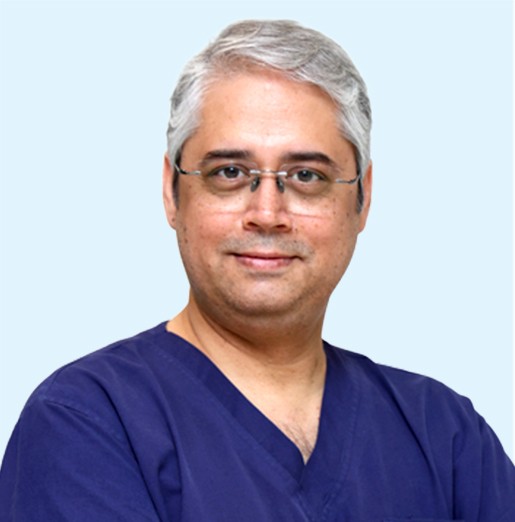
Our ESWL specialists at KIMS Secunderabad

Frequently Asked Questions — ESWL at KIMS
ESWL does not require general anaesthesia. Most patients at KIMS receive IV sedation (a combination of a short-acting opioid analgesic and a sedative given through the IV cannula) that makes them drowsy, relaxed, and comfortable without losing consciousness. The shock waves are felt as a rhythmic tapping or thudding sensation at the flank — similar to being repeatedly flicked or gently punched in the back. The IV sedation controls this sensation so that the procedure is tolerable throughout. A minority of patients with low pain thresholds or anxiety request deeper sedation — this is accommodated. General anaesthesia is not required and not routinely used, which is one of the key advantages of ESWL over endoscopic stone surgery.
The majority of well-selected cases (stone 5–15mm, suitable location, density below 1,000 HU) achieve satisfactory fragment passage after 1 to 2 sessions. However, stone fragmentation is not always complete in a single session — particularly for stones above 12mm or those with moderate density — and a second session is required in approximately 25 to 30% of cases. Patients are reviewed with imaging (X-ray KUB or CT KUB) at 4 to 6 weeks after each session to assess progress. If two sessions have not achieved adequate fragmentation, the KIMS urology team will recommend switching to RIRS (retrograde intrarenal surgery with laser) for definitive clearance — rather than continuing with further ESWL. There is no clinical benefit to more than 3 sessions for a stone that has not adequately fragmented after the first two.
No — and this is one of the most important things for patients to understand before requesting ESWL. ESWL works best for single stones of 5 to 15mm in the renal pelvis or upper ureter that have a density below 1,000 Hounsfield Units on CT. It is not recommended for: stones above 20mm (insufficient fragmentation, high steinstrasse risk), lower pole stones (fragments collect in the dependent lower pole and do not pass), cystine stones (highly resistant to shock waves), calcium oxalate monohydrate stones (very hard, poor fragmentation), or stones associated with any downstream ureteric obstruction. At KIMS, the urology team reviews the CT scan before recommending any stone procedure — if RIRS or Mini-PCNL will give better first-session clearance than ESWL for a specific stone, the team recommends those directly rather than putting the patient through ESWL that is unlikely to work.
Steinstrasse — German for 'stone street' — is the accumulation of stone fragments in the ureter after ESWL, forming a column that obstructs urine drainage from the kidney. It occurs in approximately 2 to 4% of ESWL cases and is more likely when the treated stone was large (above 15mm). Steinstrasse presents as increasing loin pain and rising creatinine in the days to weeks after ESWL. It is diagnosed on KUB X-ray or CT — the typical appearance is a column of small dense fragments aligned in the course of the ureter. Most steinstrasse cases are managed at KIMS with JJ stent insertion (bypassing the obstructed ureter so the kidney can drain while the fragments pass over time) or with ureteroscopy (RIRS) to laser-fragment the impacted column. Steinstrasse is serious in the sense that it requires urgent medical attention — but it is not life-threatening when recognised and treated promptly. This is why patients are instructed to call KIMS Emergency immediately if they experience worsening loin pain and reduced urine output in the days following ESWL.
Yes — ESWL can be performed with a JJ stent already in place. In fact, a JJ stent is sometimes inserted before ESWL for large stones (above 15mm) precisely to prevent steinstrasse — the stent keeps the ureter open so fragments can pass around and alongside it rather than forming an impacting column. ESWL with a stent in situ is technically similar to ESWL without a stent — the shock waves are unaffected by the stent's presence. The stent does not provide drainage for fragments and does not guarantee their passage — it simply prevents total ureteric obstruction from a fragment column. The stent is typically removed endoscopically (under cystoscopy, as a day-case) 4 to 6 weeks after ESWL once the fragments have passed.
The differentiator at KIMS is not the ESWL machine — it is the clinical ecosystem around the procedure. KIMS is South India's pioneer PCNL centre, with over two decades of complex stone surgery experience. This means that the KIMS urology team approaches every stone case with genuine clinical objectivity — recommending ESWL when it is the best choice, and recommending RIRS or Mini-PCNL when ESWL is unlikely to achieve clearance, rather than defaulting to one procedure for all stones. The KIMS metabolic stone clinic ensures that stone composition analysis from the collected fragments informs a personalised prevention plan — so that the stone that was treated is also the last stone the patient develops. And the full spectrum of salvage options (JJ stenting, RIRS, Mini-PCNL, open stone surgery for exceptional cases) is available at the same centre if ESWL requires follow-up endoscopic treatment. At KIMS, 040-4488-5000.